STARGAZER
StarGazer is a 3D space-combat roguelike game focused on commanding massive capital warships instead of light fighters. The gameplay model rewards tactical positioning, ship-local navigation, and targeting side-firing broadsides rather than twitch reflexes.
Built by a solo developer, the project is designed with strict architectural tenets: a deterministic, seed-driven simulation layer, out-of-process data structures, and programmatic control over every system state.
Latest Blog Posts
Narratives and architectural breakthroughs from the latest milestones
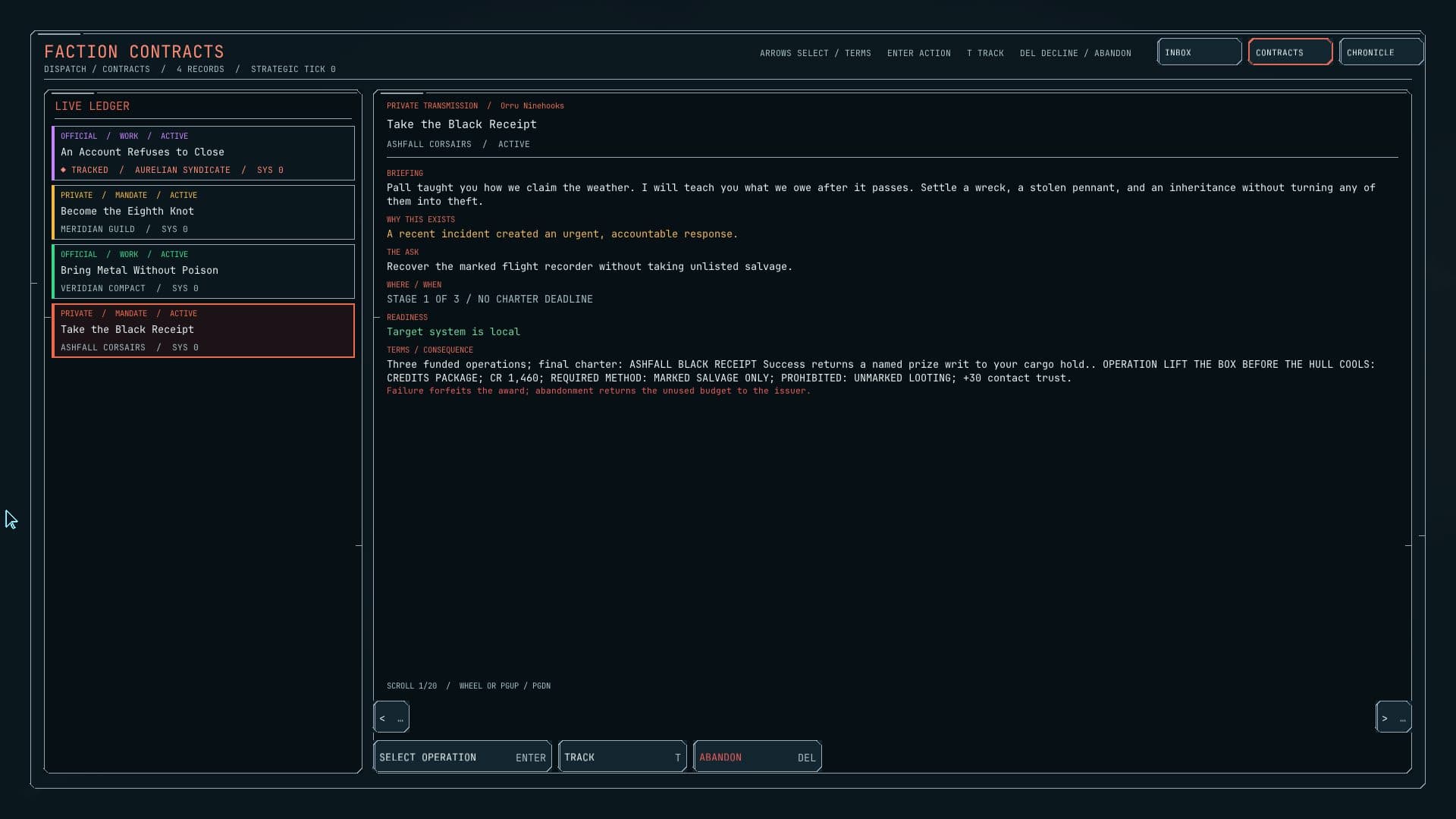
The Galaxy Should Remember Your Name
I stopped treating faction work as a pile of missions and started treating it as a relationship that remembers what I have done.
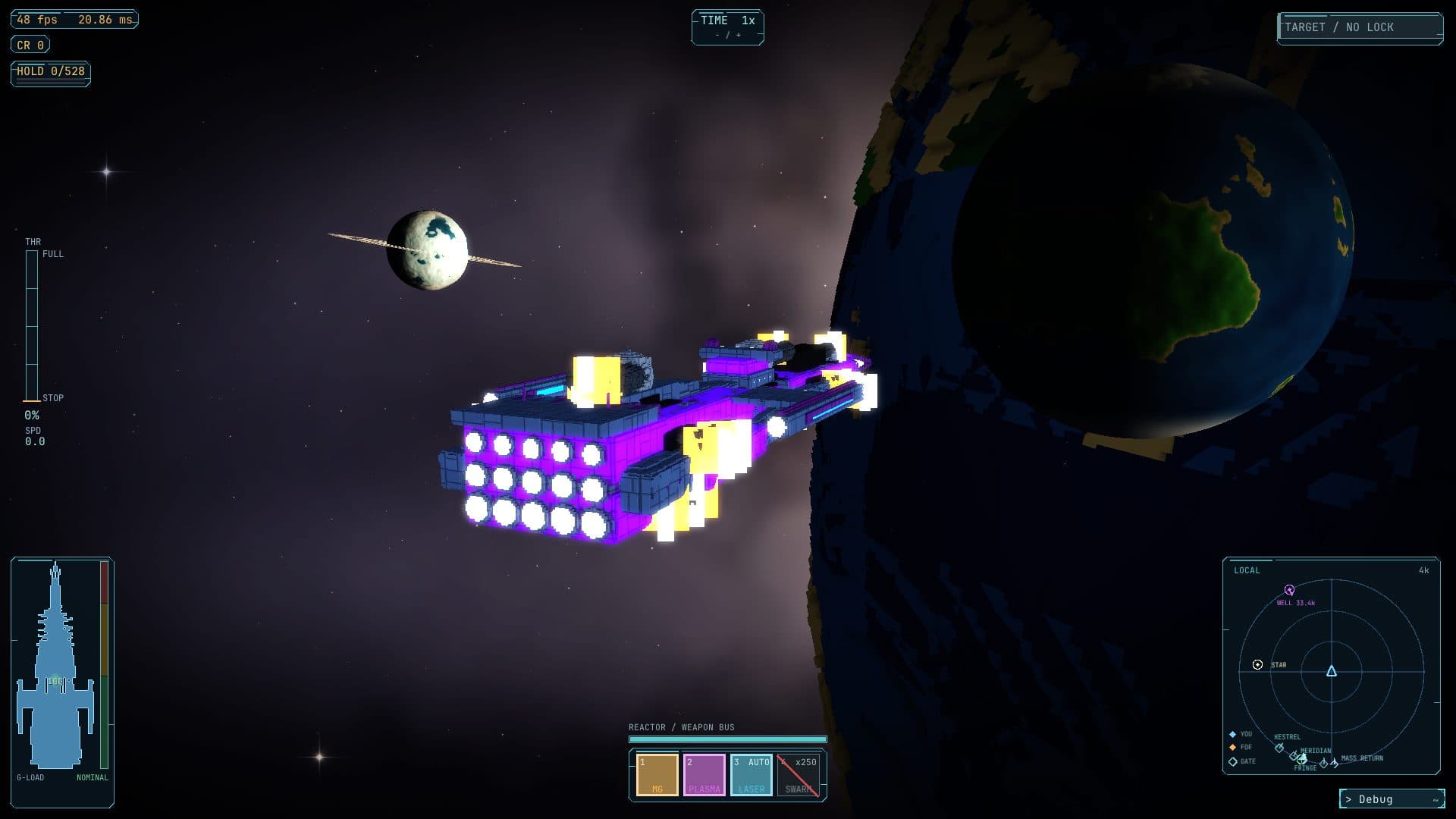
Nothing Happens Until I Show Up
I decided the galaxy would never advance on a clock, only on what I actually did out there, and then spent two weeks making good on it.
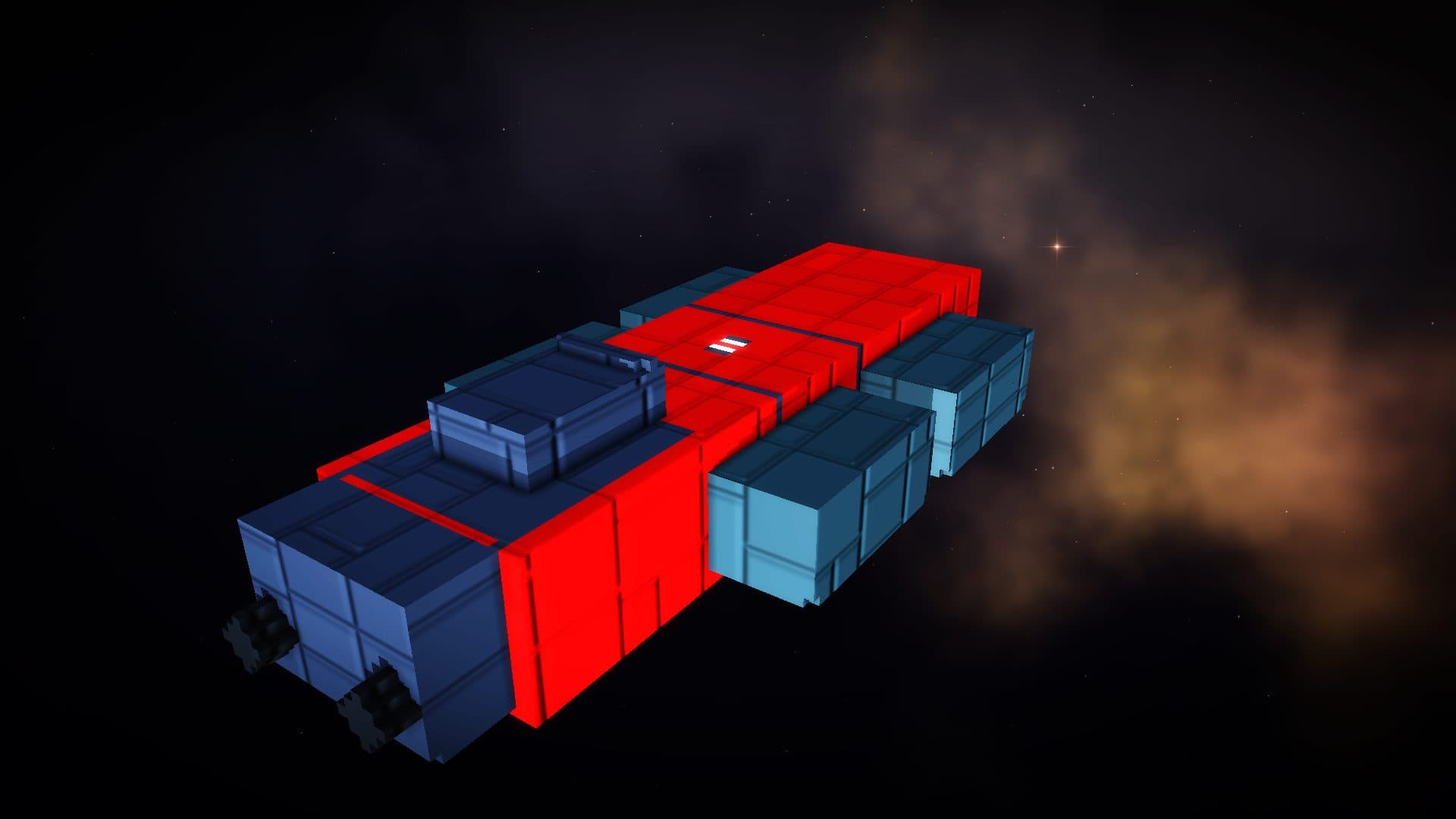
I Gave Three Small Ships a Reason to Cross the Dark
From the command chair, I wanted every distant light to mean something: ore coming home, cargo moving, or a patrol keeping watch.
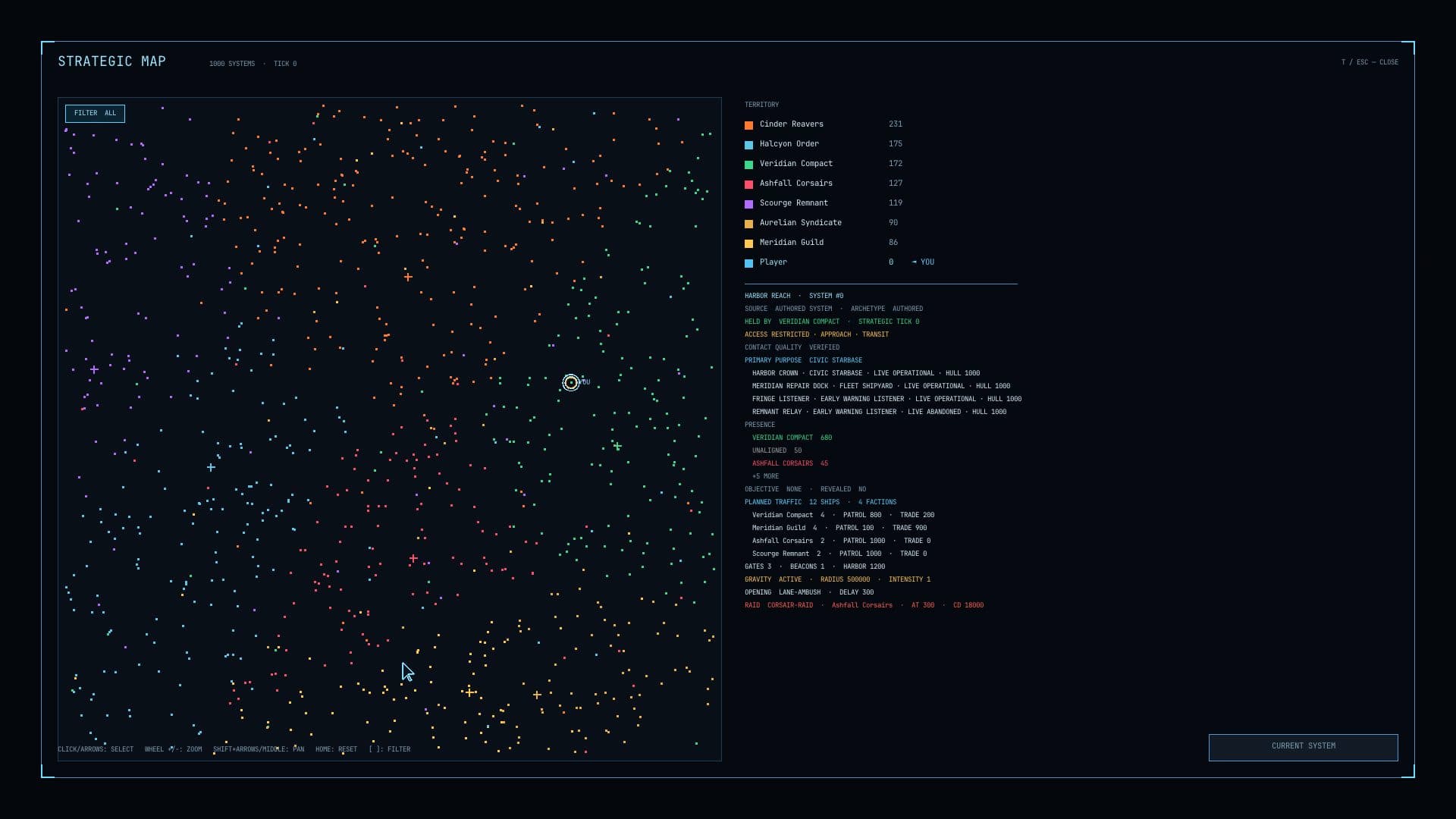
The Galaxy Learned to Say No
I wanted the galaxy beyond the bow to stop feeling like a field of dots, and tonight one distant star told my capital ship it was not welcome.
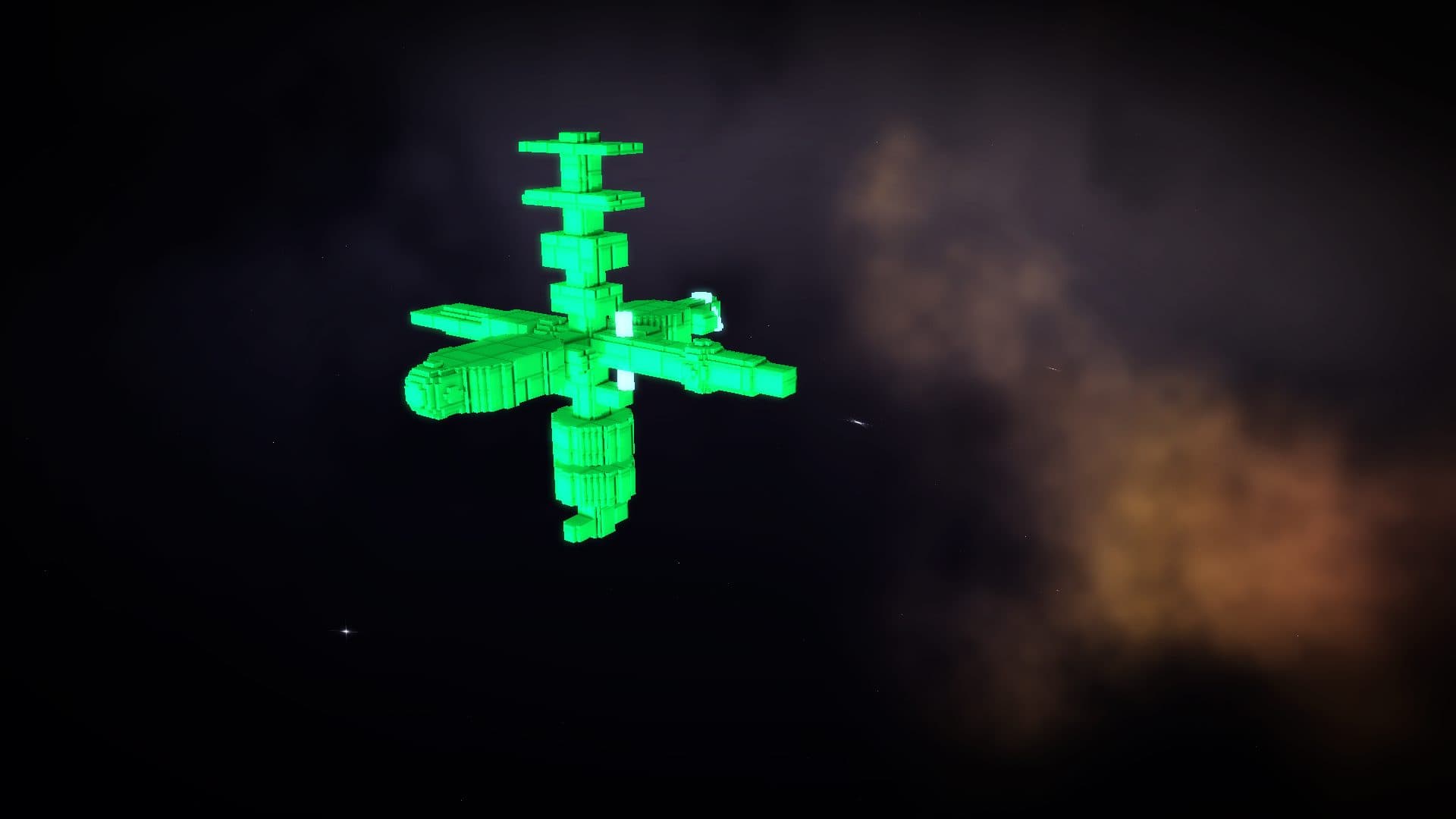
The Lights in the Dark Have Names Now
I wanted every distant station to feel worth crossing the dark for, with a purpose, a flag, and wounds that wait for your return.
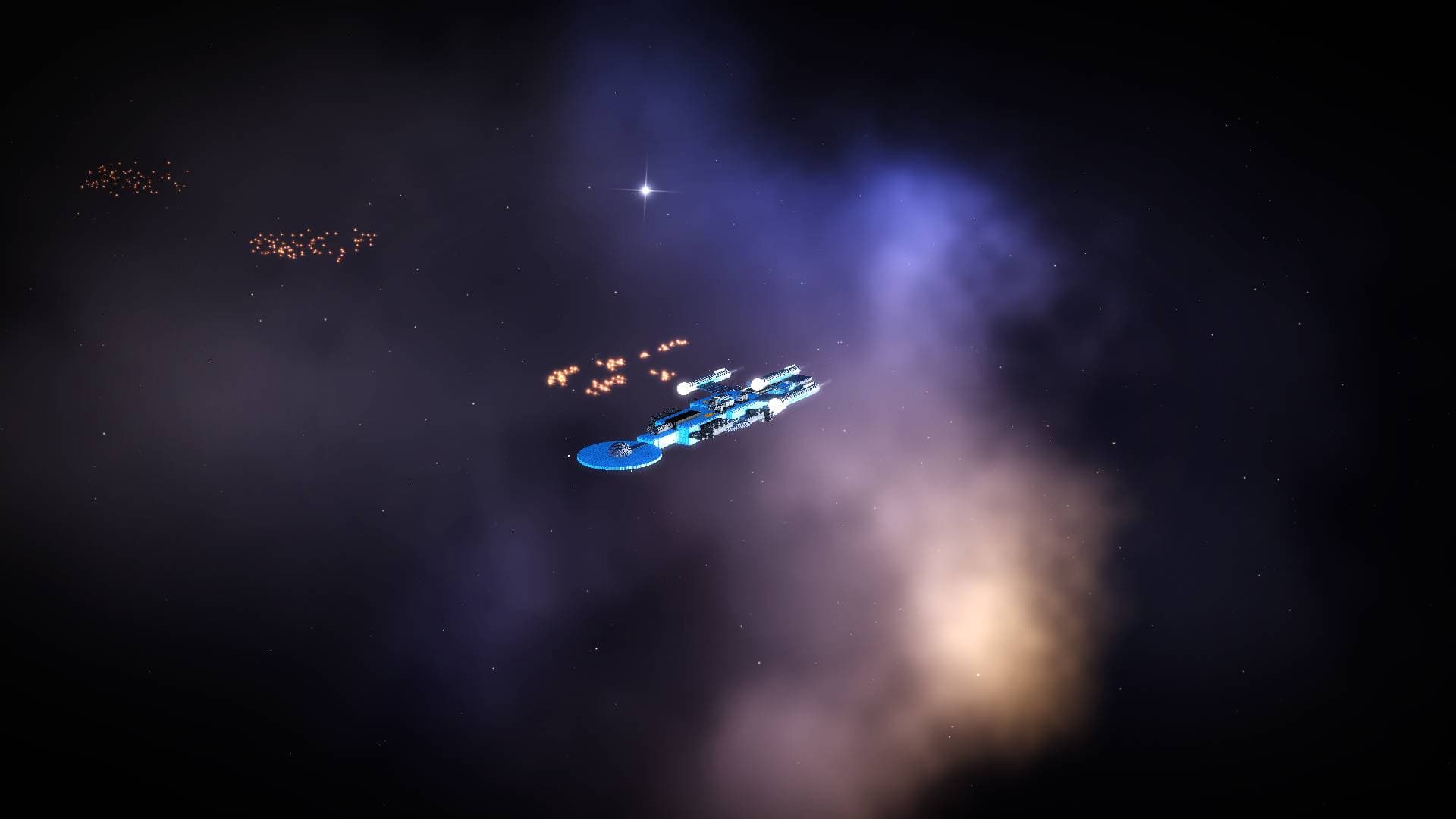
My Living World Was Counting Its Dead as Alive
Yesterday my star system passed its own health check. Today I caught it counting corpses as crew, and the honest fix finally taught the world to measure itself without lying.
Development Timeline
Synchronized view of design decisions and code architecture logs
Enforce the machine-tell floor on blog prose
The dev diary now has a checklist for the habits that make writing sound machine-made, and a guard that refuses a post carrying the mechanical ones.
Marked salvage grants an exact wreck-target writ
An active Recover Derelict Item work contract lets the player
The job explicitly asks the player to cut a marked component from a
Wreck-recovery work follows a live local wreck
When a Recover Derelict Item contract is generated from a
Strategic claims and replacement needs can identify systems before
Local combat work keeps its exact target in the encounter pocket
The live entity bound to an active Destroy Target or Disable
A valid accepted operation can bind a fighter faster than the player's
An accepted combat contract is an exact targeting writ
An active or late Destroy Target or Disable Target work contract
Protective contract casts choose a target hostile to the issuer. That
Looking for the project numbers?
Total commits, lines of code, design + code decisions, screenshot footprint, and 30-day commit activity all live on the stats page.